
Eco-Smart Shopping, or shopping sustainably, can feel overwhelming, especially when so many products claim to be “green,” “eco-friendly,” “natural,” or “sustainable.” How do you know which products truly support the environment and which are just clever marketing?
This guide helps you decode product labels, spot greenwashing, and make informed choices that genuinely benefit the planet.
What to Look For: Genuine Environmental Indicators
1. Certifications & Verified Labels
Look for third-party certifications rather than just marketing claims. Trusted international labels include:
- FSC® (Forest Stewardship Council) – Responsible forestry management
- Fair Trade – Ethical sourcing and social impact
- Energy Star – Energy efficiency
- Cradle to Cradle – Circular economy design
- EU Ecolabel – Products meeting rigorous environmental criteria
These certifications require audits, standards, or independent verification.
2. Material & Composition Transparency
A trustworthy eco-friendly product is transparent about materials and ingredients:
- Lists recycled content (e.g., post-consumer recycled plastic)
- Avoids harmful substances like PFAS, VOCs, or phthalates
- Features minimal, recyclable, or compostable packaging
3. Clear Statements & Quantified Claims
Look for measurable, specific claims:
- ✅ “Contains 30% recycled content”
- ❌ “Made with recycled materials” (vague)
- ✅ “Certified carbon-neutral by [certifier]”
- ❌ “Climate-friendly” (unverified)
4. Life Cycle & Durability
Sustainable products often emphasize:
- Longevity and durability (“Use for 10+ years”)
- Repairability
- End-of-life care and recycling instructions
5. Local or Regional Production
Products made locally or regionally reduce transport emissions and improve supply chain transparency. Labels showing production locations and sources are a good sign.
Red Flags: When the “Green” Label Might Be Misleading
- Vague claims without proof – Words like “eco-friendly,” “green,” “natural,” or “sustainable” without certification are often marketing jargon.
- Misleading packaging – Green colors, leaves, or earthy imagery don’t guarantee eco-friendliness.
- Hidden fine print – Claims like “10% less plastic” may be misleading if the original amount was excessive. Check if reductions are by weight or volume.
- Focusing on one positive aspect – For example, a bottle may use recycled plastic, but still rely heavily on virgin materials or harmful contents.
- No end-of-life instructions – Labels should explain how to recycle, compost, or dispose of the product responsibly.
- Cause marketing without substance – Donations or tree-planting campaigns are great, but the product itself should still meet sustainability standards.
Quick Eco-Friendly Product Checklist
Before buying, ask:
- Does it list a trusted certification or standard?
- Are the main materials and percentages clearly described?
- Are there measurable claims (e.g., recycled content, carbon reduction)?
- Is the packaging minimal, recyclable, or compostable?
- Are end-of-life instructions provided?
- Is the product genuinely better for the environment, not just “less bad”?
- Does the price reflect its environmental impact?
Products meeting most of these criteria are more likely to be truly eco-friendly.
Why This Matters for FactoryForest
At FactoryForest, we believe every purchase is an act of environmental citizenship. By making informed choices and supporting products with genuine sustainability, you help build a more responsible and eco-conscious world.
The ecosystem of change isn’t just in forests and oceans, it’s in our homes, shopping carts, and daily habits.
Key Certifications & Eco-Labels to Look Out For
- Forest Stewardship Council (FSC®) – Responsible forestry management
- Rainforest Alliance – Sustainable agriculture, forestry, and tourism
- Global Organic Textile Standard (GOTS) – Organic fibre content and responsible textile processing
- OEKO‑TEX® – Certifies textiles free from harmful substances
- B Corporation (B Corp) – Companies meeting high social and environmental standards
- EU Ecolabel – Products meeting life-cycle environmental criteria
- Friend of the Sea – Sustainable seafood certification
- Green Key Global – Hospitality ecolabel for sustainable operations
- EcoStandard EcoProduct (South Africa) – Independent verification for building products
- ecoASA – South African eco-label for building materials under ISO 14024
- Eco‑Choice Africa – Verified consumer-goods ecolabel in South Africa
- SANAS – National accreditation body indicating certification reliability
Start reading labels critically today and join the movement toward smarter, eco-conscious shopping. Every small choice adds up to a big environmental impact.
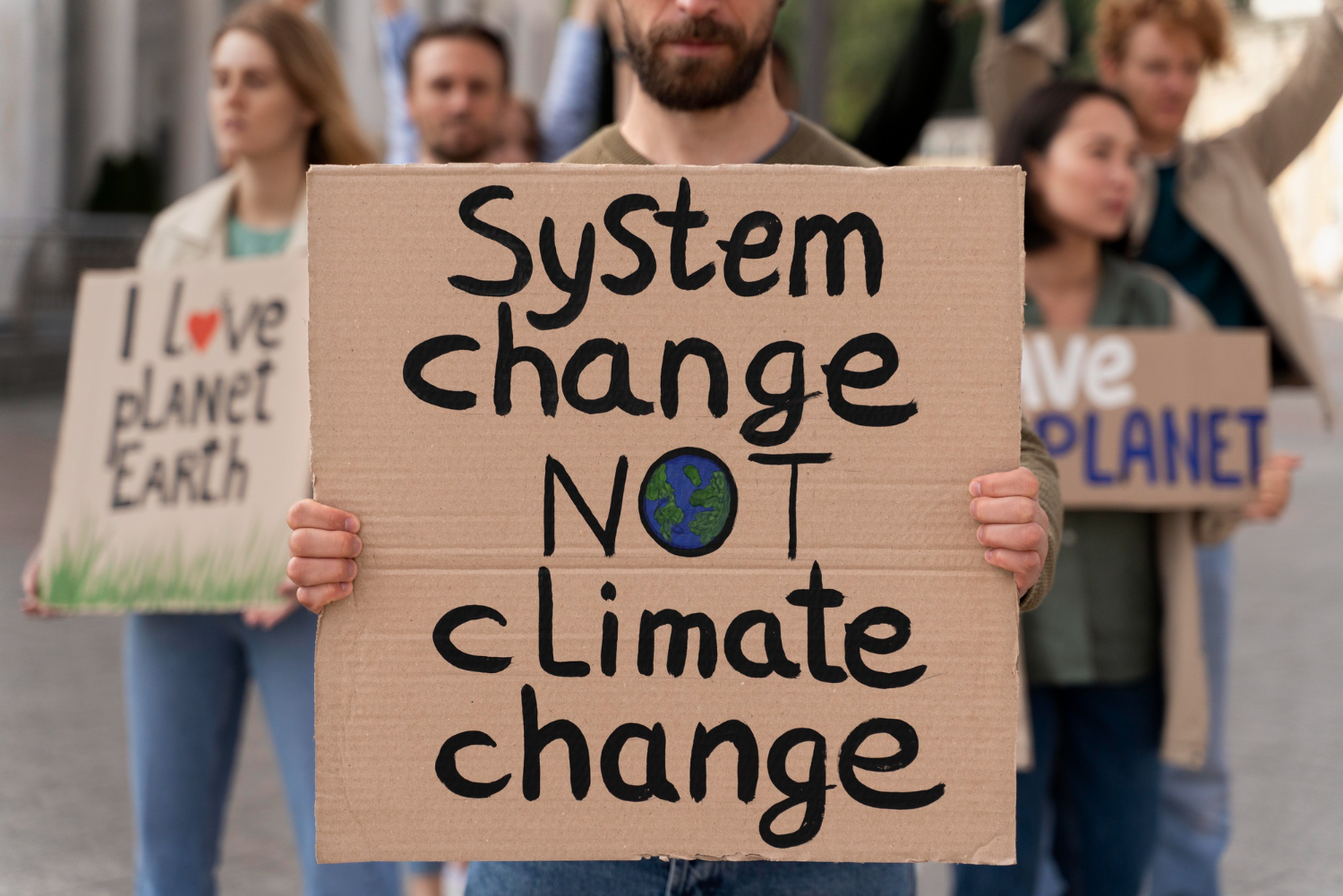
Image by FreePik